




Top 10 “Calorie Traps” Indians Eat Daily, and Easy Swaps
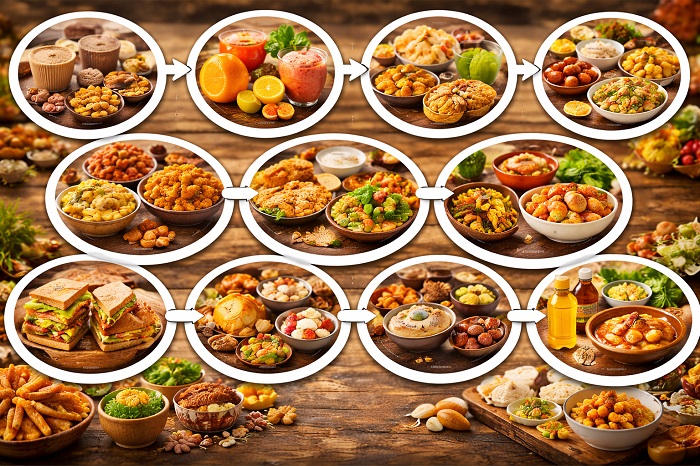

A calorie trap is not necessarily a food you must never eat. It is a food or drink that seems small, familiar, or harmless, but quietly adds far more calories, sugar, or fat than most people realize. In Indian diets, these traps often come from everyday habits rather than obvious indulgence: sugary chai, extra namkeen with tea, deep fried breakfast items, “healthy” packaged juices, and heavy restaurant add-ons. The 2024 ICMR, NIN dietary guidelines for Indians explicitly advise moderating foods high in fat, sugar, and salt, and limiting added sugar intake to around 25 to 30 grams per day. The WHO also recommends reducing free sugars to less than 10 percent of total energy intake, and suggests that going below 5 percent offers additional benefits.
The goal is not to make food joyless. The smarter approach is to spot the daily habits that push calories up without adding much fullness or nutrition, then swap them for options that still fit Indian routines. Done well, these changes can lower calorie intake without making you feel like you are on a punishing diet. Calories do matter for weight maintenance and change, but satiety, food quality, and habit design matter just as much in real life.
1. Sugar Loaded Chai and Coffee
For many Indians, the day starts with tea or coffee, and then another cup appears mid morning, mid afternoon, and sometimes after dinner too. The trap is not the beverage itself. It is the repeated sugar, full fat milk, and biscuits that often come with it. Since ICMR, NIN says added sugar should be restricted to about 25 to 30 grams a day, two or three sweet cups can quietly use up a large share of that daily limit. WHO and NHS sugar guidance point in the same direction: regular free sugar intake adds up quickly and is best kept low.
The easy swap is not necessarily black coffee or plain green tea unless you actually enjoy them. A more realistic fix is to reduce sugar gradually, move from two teaspoons to one, then to half, or switch one daily cup to unsweetened tea, buttermilk, lemon water, or plain coffee with less milk. You can also stop pairing every cup with biscuits, which are often another quiet calorie add on.
2. Biscuits with Tea
Biscuits feel small, but that is exactly why they are such a trap. They are usually made from refined flour, sugar, and fats, and they disappear fast because they do not create strong fullness. The ICMR, NIN guidelines advise avoiding or limiting highly processed foods high in fat, sugar, and salt because they are energy dense and nutritionally poor. Tea time biscuits fit that pattern more often than people assume.
An easy swap is roasted chana, a handful of peanuts, fruit with curd, makhana roasted lightly at home, or just having the tea without a mandatory side. Even one change like replacing daily biscuit snacking with a protein or fiber based option can improve satiety and reduce total calories across the week.
3. Fruit Juice, Especially Packaged Juice
A lot of people still think fruit juice is automatically healthy because it comes from fruit. The problem is that juice removes much of the fiber and makes it very easy to drink a lot of sugar quickly. WHO includes fruit juice in free sugars guidance, and its recommendation remains to keep free sugars below 10 percent of energy intake, preferably below 5 percent. That is one reason even “natural” juice can become a calorie trap when used casually every day.
The easy swap is whole fruit. If you want something cold and refreshing, choose whole fruit, chaas, coconut water in moderation, or a homemade unsweetened fruit and curd smoothie that keeps more fiber and protein in the meal. The same fruit that disappears in one glass of juice usually feels much more filling when eaten whole.
4. Fried Breakfasts Every Day
Poori bhaji, aloo paratha with lots of butter, medu vada, bhature, bread pakora, and deep fried snacks are delicious, but when they become everyday breakfasts, calories rise very fast. ICMR, NIN’s 2024 guidance specifically pushes people away from frequent high fat, high salt, high sugar processed patterns and toward balanced meals with more whole grains, pulses, vegetables, and protein.
The easy swap is not to ban favorite breakfasts forever. Keep them for weekends or occasions, and rotate in lighter, more filling options on regular days: vegetable poha with peanuts, idli with sambar, moong chilla, oats upma, curd with fruit and nuts, or stuffed roti with less oil and a protein side. The point is frequency. Daily fried breakfast is the trap, not the occasional indulgence.
5. “Healthy” Namkeen and Mixtures
Trail mix style namkeen, bhujia, sev, chivda, and roasted savory mixtures often look harmless because they are dry, crunchy, and eaten in small bowls. But many are oil dense and very easy to overeat while working, watching TV, or chatting. ICMR, NIN warns against foods high in fat, sugar, and salt partly because they deliver a lot of calories without strong fullness. Namkeen is a classic example of that mismatch.
The easy swap is portion control plus better options. If you love crunch, choose roasted chana, air popped popcorn, lightly roasted makhana, or homemade mixtures with more peanuts, chana, and less fried sev. And do not eat from the packet. Even moving the snack into a small bowl makes overeating less automatic.
6. Extra Oil in Home Cooking
A lot of Indian food is cooked at home, which is good, but home food is not automatically low calorie. One of the most common traps is “free pouring” oil into tadkas, sabzis, gravies, and paratha dough because it feels normal and invisible. ICMR, NIN’s dietary guidance explicitly advises moderation of visible fats and oils in daily diets because they are concentrated sources of energy.
The easy swap is measuring oil instead of guessing. Using a spoon instead of pouring directly from the bottle often changes intake dramatically without changing the menu. You can also shift some recipes toward pressure cooking, steaming, roasting, sautéing with less oil, and finishing with herbs, lemon, or spices for flavor rather than extra fat.
7. Restaurant Gravies and “Healthy” Bowls with Hidden Add Ons
Many restaurant meals look balanced on paper but turn calorie heavy because of cream, butter, oil, dressings, cheese, and sweetened sauces. The problem is especially common with paneer gravies, Indo Chinese dishes, loaded salads, and café bowls that sound healthy but come with mayonnaise based dressings or crunchy fried toppings. The ICMR, NIN guideline emphasis on avoiding energy dense, nutrient poor patterns applies here as well, especially where fat, salt, and sugar are layered together.
The easy swap is to choose simpler preparations more often: tandoori instead of creamy gravy, dal instead of makhani every time, grilled over fried, dressing on the side, less cheese, and fewer add ons. Restaurant food does not have to disappear from your life, but it helps to order with intention rather than assuming a “salad” or “bowl” is automatically lighter.
8. White Bread Sandwiches and Bakery Snacks
Bread itself is not the villain, but the common Indian pattern of white bread with butter, mayo, potato filling, cheese slices, or bakery puffs can turn a quick snack into a weak, high calorie meal. Refined grain products are generally less filling than meals built around more fiber and protein, and ICMR, NIN continues to encourage better quality cereals and overall more balanced meal composition.
The easy swap is to build snacks that satisfy longer. Choose whole grain bread when possible, reduce butter and mayo, add paneer, egg if you eat it, hung curd spread, vegetables, or sprouts. If you love bakery items, keep them occasional rather than default daily fillers between meals.
9. Late Night “Just a Little” Snacking
A handful of chips, leftover mithai, ice cream straight from the tub, or random bites while cleaning the kitchen can become a daily calorie trap because they are rarely tracked mentally. They often happen when you are tired, distracted, or eating for comfort rather than hunger. Since body weight changes when calorie intake and energy use stay mismatched over time, these unplanned extras matter more than people think.
The easy swap is environmental, not heroic. Decide your kitchen closing time, keep tempting snacks out of immediate reach, and have a planned lower calorie option if you genuinely need something at night, such as milk, fruit, curd, or a small portioned snack. A lot of late snacking disappears once it stops being effortless.
10. Weekend “Cheat Meals” That Become Cheat Days
One meal out with biryani, dessert, starters, sugary drinks, and late-night snacks can easily spill into a full day of overeating, especially if you frame it as a reward for “being good” all week. Extreme restriction followed by overcompensation is not the pattern ICMR, NIN encourages; the broader dietary guidance is moderation, balance, and long term sustainability rather than swinging between strictness and excess.
The easy swap is to stop thinking in terms of cheat days. Enjoy favorite foods, but keep structure. Eat normally through the day, choose the indulgence you care about most, and do not stack every treat into one outing unless you genuinely want that experience. This keeps food enjoyable without turning weekends into calorie blowouts.
What actually works better than extreme cutting
Most people do better with realistic, repeatable swaps than with aggressive “clean eating.” ICMR, NIN’s 2024 dietary guidelines emphasize a balanced diet with more variety, pulses, vegetables, better grain quality, and moderation of high fat, high sugar, high salt foods. That is useful because it shifts the goal from fear of calories to better overall eating patterns.
In practice, the best calorie swaps usually have three traits. They reduce energy density, improve fullness, and still feel familiar. For Indians, that often means less sugar in beverages, fewer fried daily items, more pulses and curd, measured oil, whole fruit instead of juice, and smarter snacking rather than no snacking. Those changes sound small, but over weeks they can create a meaningful calorie deficit without the miserable feeling of being “on a diet.”
Conclusion
The biggest calorie traps in Indian diets are not always sweets and feast foods. More often, they are ordinary daily habits that feel too small to matter: sugary tea, biscuits, namkeen, free-poured oil, juice, bakery snacks, and unplanned night eating. Once you notice them, the solution is usually not total restriction. It is smarter design. Keep the foods you love, but reduce how often they quietly overtake your routine. That is what makes calorie control sustainable.