





Beyond Manali & Shimla: India’s Best-Kept Summer Travel Secrets

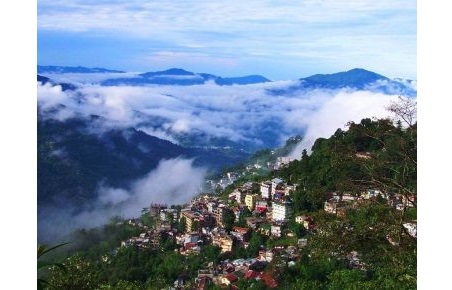
For years, summer travel in India has almost automatically meant heading towards famous hill stations like Shimla and Manali. These destinations became symbols of mountain holidays—cool climates, snow-covered peaks, and lively tourist streets filled with cafés, hotels, and adventure seekers.
But in 2026, travel behavior in India is clearly shifting.
What were once peaceful hill escapes are now often overcrowded, heavily commercialized, and difficult to truly enjoy during peak season. Traffic jams on mountain roads, long waiting times at viewpoints, inflated prices, and noise-filled markets have slowly reduced the charm that once defined these destinations.
As a result, a new travel movement is emerging across India: a shift toward hidden summer vacation destinations—places that still retain their natural beauty, cultural authenticity, and most importantly, their silence.
These are not destinations that dominate travel brochures. They are valleys tucked deep in the Himalayas, remote villages surrounded by forests, coastal towns untouched by commercial tourism, and landscapes where life still moves at its original pace.
This guide explores some of the most beautiful hidden summer destinations in India that are now becoming powerful alternatives to mainstream tourist hotspots.
Tirthan Valley (Himachal Pradesh): Where Time Slows Down Naturally

Deep within the Kullu region lies Tirthan Valley, a destination that feels untouched even today.
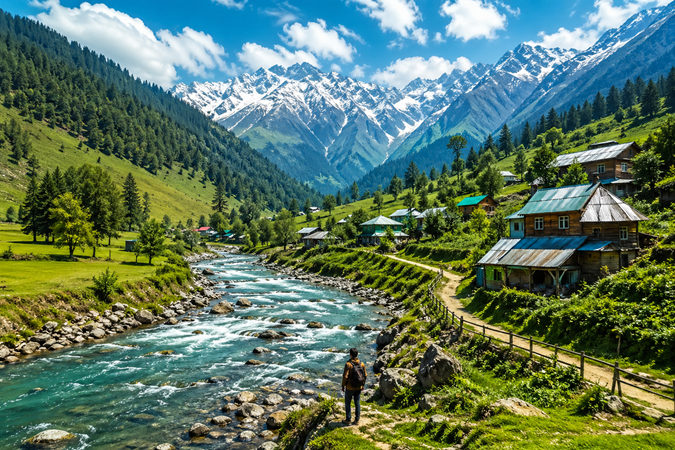
Unlike the crowded streets of Manali, Tirthan Valley is defined by quietness. The valley is shaped by the Tirthan River, which flows steadily through dense pine forests and small wooden villages. The entire region feels naturally preserved, almost as if tourism never altered its identity.
There are no loud commercial markets or heavy tourist crowds here. Instead, life moves gently. Travelers wake up to the sound of flowing water, spend their afternoons walking through forest trails, and end their evenings watching the sky change colors over the river.
What makes Tirthan Valley truly special is not a list of attractions but the experience of slowing down. Many visitors arrive for a short stay but often extend their trip simply because the valley creates a sense of calm that is hard to leave behind.
Activities like trout fishing, riverside walks, and exploring nearby Himalayan villages become less about sightseeing and more about experiencing a different pace of life.
Barot Valley (Himachal Pradesh): One of India’s Most Underrated Hidden Escapes

Hidden away from popular tourist circuits lies Barot Valley, a destination that remains relatively unknown even among regular travelers.
Surrounded by dense forests and shaped by the Uhl River, Barot Valley is one of those rare places where nature still feels completely undisturbed. Unlike commercial hill stations, there are no large hotels or heavily developed tourist zones here. The valley has preserved its natural identity in a way that is becoming increasingly rare in the Himalayas.
The landscape is rich with greenery during summer, and the sound of the river remains a constant companion throughout the journey. Small villages, simple homestays, and untouched walking trails make Barot feel deeply authentic.
Travel here is not about checking off sightseeing points. It is about experiencing stillness. Whether sitting by the river or walking through pine forests, Barot Valley offers a kind of simplicity that modern travel often lacks.
Chopta (Uttarakhand): The Silent Meadow of the Himalayas

In the Garhwal region of Uttarakhand lies Chopta, a small yet breathtaking destination often overlooked in favor of more commercial hill stations.
During summer, Chopta transforms into vast green meadows surrounded by towering Himalayan peaks. The air is fresh, the surroundings are open, and the silence feels almost meditative.
One of the most popular experiences here is the trek to Tungnath Temple, known as the highest Shiva temple in the world. The trek is not just a spiritual journey but also a visual one, passing through dense forests and opening into wide mountain landscapes.
From Tungnath, the trail continues toward Chandrashila peak, where sunrise offers one of the most unforgettable Himalayan views in India. The entire mountain range glows in golden light, creating a moment that stays with travelers long after they return.
Chopta remains peaceful even in peak travel seasons, making it one of the strongest alternatives to crowded Himalayan destinations.
Ziro Valley (Arunachal Pradesh): Where Culture and Nature Exist in Balance

Far in Northeast India lies Ziro Valley, a destination that stands apart from typical travel experiences in the country.
Ziro is not just defined by its landscape but by its culture. It is home to the Apatani tribe, whose traditions, agricultural practices, and lifestyle have remained deeply connected to nature for generations.
The valley itself is a wide stretch of green rice fields surrounded by rolling hills and mist-covered mountains. Unlike heavily commercial tourist destinations, Ziro retains a quiet authenticity where life moves at a steady and peaceful rhythm.
There are no loud attractions or rushed itineraries here. Instead, travelers experience a sense of immersion—observing local life, walking through agricultural fields, and understanding a culture that has coexisted with nature for centuries.
Ziro Valley feels less like a tourist destination and more like a living landscape.
Gokarna (Karnataka): A Coastal Escape That Still Feels Untouched

On India’s western coastline lies Gokarna, a destination that offers a refreshing alternative to heavily commercial beach tourism.
While Goa continues to attract massive crowds, Gokarna remains relatively quieter and more grounded. The coastline here is defined by natural beaches, rocky cliffs, and slow-moving coastal life.
Beaches like Om Beach, Half Moon Beach, and Paradise Beach are connected through scenic walking trails, allowing travelers to move between isolated stretches of sand without encountering large crowds.
What makes Gokarna unique is its balance. It carries both spiritual significance and natural beauty, with temples and rituals coexisting alongside travelers seeking relaxation and solitude.
Unlike party-heavy beach destinations, Gokarna offers space, silence, and simplicity.
Spiti Valley (Himachal Pradesh): A Landscape That Feels Otherworldly

Located high in the Himalayas lies Spiti Valley, one of the most dramatic and remote landscapes in India.
Spiti is not a lush green valley. It is a cold desert shaped by wind, rock, and time. The terrain is rugged, the mountains are barren, and the skies feel endlessly wide.
Ancient monasteries sit quietly on cliffs, overlooking valleys that stretch far into the distance. Life here is simple, slow, and deeply connected to nature.
Travel in Spiti is challenging due to altitude, limited connectivity, and long routes. But this difficulty is also what preserves its untouched character.
Unlike commercial destinations, Spiti does not cater to convenience—it offers experience. And that experience is raw, powerful, and unforgettable.
The 2026 Shift: Why Travelers Are Choosing Hidden Destinations

Across all these destinations, one clear trend defines modern travel in India: a shift from popularity to authenticity.
Travelers are no longer satisfied with crowded tourist hubs or overdeveloped hill stations. Instead, they are actively seeking places that offer space, silence, and cultural depth.
This shift is not temporary—it reflects a long-term change in how people view travel. In 2026, the ideal vacation is no longer about visiting famous places. It is about experiencing lesser-known ones that still retain their natural identity.
Hidden valleys, remote villages, and untouched coastlines are no longer alternatives—they are becoming the preferred choice.
Where Should I Explore in Nepal? (Best Places You Must Not Miss)
Nepal is one of those rare destinations where every direction you look feels like a postcard. Nestled between India and China, this Himalayan country is not just about mountains—it is about culture, spirituality, adventure, and raw natural beauty that still feels untouched in many regions. If you are planning a trip, choosing where to explore depends on what kind of experience you want, because Nepal offers everything from peaceful lakeside towns to high-altitude trekking routes and ancient heritage cities.
One of the most iconic places to begin your journey is Kathmandu Valley. This region is the cultural heart of the country and home to ancient temples, royal squares, and UNESCO World Heritage Sites. Walking through areas like Durbar Square feels like stepping back in time, where centuries-old architecture still stands strong amidst modern life. The valley is also a great base for exploring nearby spiritual landmarks such as Swayambhunath and Pashupatinath, which hold deep religious significance.
For nature lovers, Pokhara is often described as paradise. This lakeside city sits beside the serene Phewa Lake, with the Annapurna mountain range reflecting beautifully on its surface during sunrise. Pokhara is also the gateway to some of Nepal’s most famous treks, making it perfect for both relaxation and adventure seekers.
If you want something more remote and dramatic, the Everest region, especially areas around Lukla, offers access to the world’s highest peak. Even if you are not trekking to Everest Base Camp, the journey itself is unforgettable.
Beyond these famous spots, Nepal also hides quieter gems like Bandipur and Lumbini, each offering unique cultural depth and peaceful surroundings. In short, Nepal is not a destination you simply visit—it is a place you experience layer by layer.
Things to Do in Nepal (Adventure, Culture & Unique Experiences)
Nepal is not just about sightseeing; it is about experiencing life in its most raw and beautiful form. The country offers a mix of adventure activities, spiritual experiences, and cultural immersion that makes every day feel different.
One of the most popular things to do is trekking. Routes like the Annapurna Circuit and Everest Base Camp trek are world-famous for a reason. These journeys take you through changing landscapes—from lush forests and terraced fields to icy mountain passes. Even shorter treks around Pokhara offer breathtaking views without requiring extreme fitness levels.
If you prefer something calmer, boating on Phewa Lake in Pokhara is a must. Surrounded by mountains, the lake offers a peaceful escape where you can simply sit back and enjoy the reflection of the Himalayas on the water.
Cultural exploration is another major highlight. In Kathmandu Valley, you can visit ancient temples, watch traditional rituals, and explore bustling local markets filled with handicrafts and spices. The spiritual energy in places like Boudhanath Stupa is something many travelers find deeply moving.
For thrill seekers, Nepal is also one of the best destinations in the world for paragliding, especially in Pokhara, where you can glide above lakes and mountains. White-water rafting in rivers like Trishuli adds another level of adventure.
Food lovers will also enjoy trying local Nepali cuisine such as dal bhat, momos, and Newari dishes, which reflect the country’s diverse culture.