




One Day in Lucknow? Here Are 10 Places You Must Explore
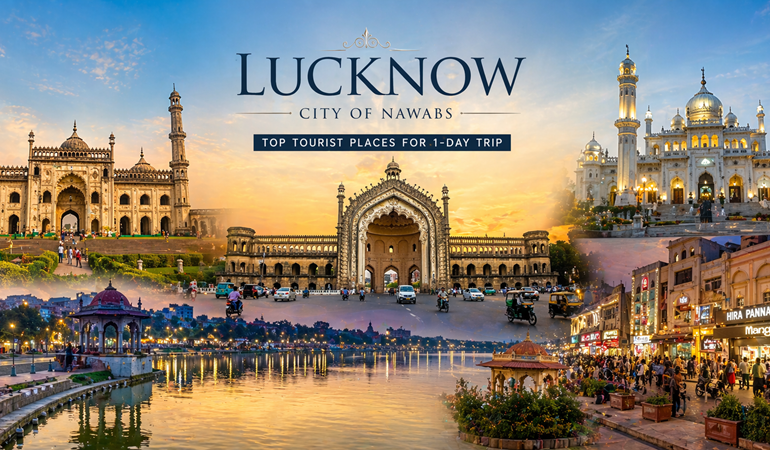

Lucknow, the capital of Lucknow, is a city that effortlessly blends royal heritage, architectural brilliance, and a deeply rooted food culture. Known as the City of Nawabs, it offers a unique experience where every monument tells a story and every street reflects a legacy of refinement.
If you have just one day in Lucknow, careful planning becomes essential. The city is rich in attractions, but with the right route and timing, you can comfortably explore its most iconic landmarks, understand its history, and enjoy its famous cuisine without feeling rushed.
This guide is designed to give you a complete one-day experience, combining historical exploration, cultural insights, and practical travel tips.
Best Time to Start Your 1-Day Lucknow Trip
To make the most of your day, it is advisable to begin early, ideally around 8:00 AM. Mornings in Lucknow are relatively less crowded, especially around major monuments, allowing you to explore comfortably and take your time.
The months between October and March are considered ideal for visiting, as the weather remains pleasant and suitable for walking through large historical complexes.
Morning: Exploring Lucknow’s Iconic Heritage
Bara Imambara – The Architectural Marvel of Lucknow

Your day should begin with the magnificent Bara Imambara, one of the most important landmarks in the city. Built in 1784 by Asaf-ud-Daula, this structure is a remarkable example of Mughal and Awadhi architecture.
The highlight of Bara Imambara is the famous Bhool Bhulaiya, a complex labyrinth of interconnected passages. It is said that there are hundreds of pathways inside, making it extremely easy to get lost. Exploring this section adds an adventurous element to your visit, but hiring a guide is highly recommended for a better understanding of its design and history.
Another fascinating aspect is the central hall, which is one of the largest arched constructions in the world built without the use of beams. The tomb of Nawab Asaf-ud-Daula is also located within the complex, adding historical significance to the site.
Timings: 6:00 AM to 5:00 PM
Entry Fee: Approx. ₹25
Time Required: 1–1.5 hours
Chota Imambara – A Glimpse of Royal Elegance

After visiting Bara Imambara, head towards the nearby Chota Imambara, also known as Hussainabad Imambara. This monument was built by Muhammad Ali Shah and is known for its intricate interiors and decorative beauty.
Unlike the grand scale of Bara Imambara, Chota Imambara impresses visitors with its detailed craftsmanship. The interiors are adorned with beautiful chandeliers imported from Belgium and elaborate glasswork, giving it a palace-like appearance. The calm and less crowded environment allows visitors to explore it at a relaxed pace.
This monument also houses a mosque and the tomb of the Nawab, making it both a religious and historical site.
Time Required: 45 minutes to 1 hour
Rumi Darwaza – The Gateway to Old Lucknow

As you move forward, you will come across the iconic Rumi Darwaza. This grand gateway, standing at around 60 feet, is often considered the symbol of Lucknow.
Built during the reign of Nawab Asaf-ud-Daula, it once served as an entrance to the city. Its unique design reflects a blend of Turkish and Awadhi architectural styles. Today, it is one of the most popular photography spots in Lucknow.
The surrounding area is lively and gives you a glimpse into the everyday life of the city, with local vendors, street food stalls, and tourists creating a vibrant atmosphere.
Entry Fee: Free
Best Time to Visit: Late morning or evening
Afternoon: Diving into History and Culture
British Residency – A Site from the Revolt of 1857

By afternoon, head towards the historic British Residency, which holds immense importance in Indian history. This site played a major role during the Indian Rebellion of 1857 and still preserves the remains of that era.
Walking through the Residency, you will notice ruined buildings, bullet marks on the walls, and old structures that narrate the story of a prolonged siege. The peaceful gardens surrounding the ruins create a contrasting atmosphere, making the experience both reflective and educational.
There is also a museum inside the complex that displays artifacts and information related to the events of 1857, helping visitors understand the historical context in greater detail.
Entry Fee: Approx. ₹20
Time Required: 1 hour
Ambedkar Memorial Park – A Modern Landmark

After exploring historical sites, visit the impressive Ambedkar Memorial Park, built in memory of B. R. Ambedkar.
This park stands out due to its grand scale and modern design. Constructed using red sandstone, it features wide pathways, large statues, and beautifully maintained spaces. The symmetry and openness of the park make it ideal for a relaxed walk after a day of sightseeing.
The park also showcases statues of several social reformers, reflecting an important part of India’s modern history.
Best Time to Visit: Evening
Time Required: 1–2 hours
Optional Stop: Lucknow Zoo for a Relaxed Experience

If you still have time and energy, you can include a visit to the Lucknow Zoo. Spread across a large area, it is home to a variety of animals including tigers, lions, and deer.
The zoo also offers activities like a toy train ride and boating, making it especially enjoyable for families and children. While it may not be essential for every traveler, it provides a refreshing break from historical exploration.
Timings: 8:00 AM to 5:00 PM
Evening in Lucknow: Food and Local Experiences

As the day comes to an end, Lucknow’s food culture becomes the highlight of your trip. The city is famous for its Awadhi cuisine, which is known for its rich flavors and slow cooking techniques.
Areas like Hazratganj and Chowk are ideal for exploring local food. From kebabs to biryani, every dish reflects the culinary heritage of the Nawabs. Trying authentic local food is not just recommended—it is an essential part of the Lucknow experience.
You can also explore local markets for chikankari embroidery, a traditional craft that Lucknow is widely known for. These handcrafted items make for excellent souvenirs.
How to Cover All Places Efficiently in One Day
To cover all major attractions comfortably, it is best to follow this sequence:
Morning: Bara Imambara → Chota Imambara → Rumi Darwaza
Afternoon: British Residency → Lunch Break
Evening: Ambedkar Park → Food & Shopping
Using local transport like autos, cabs, or app-based taxis can help you save time and move efficiently between locations.
Famous Places to Visit in Lucknow You Should Not Miss
While a one-day itinerary helps you cover the major highlights, Lucknow has many other important attractions that deserve attention. These places add depth to your understanding of the city and can be included in your plan depending on your time and interests.
One such landmark is the Hussainabad Clock Tower, which stands as one of the tallest clock towers in India. Built in the late nineteenth century, it reflects Victorian architectural influence and serves as a reminder of Lucknow’s colonial past. The surrounding area, especially in the evening, becomes lively and offers a good opportunity for photography and local exploration.
Another historically significant site is the Dilkusha Kothi. Once a grand hunting lodge built for British residents, today it stands in ruins but still carries an old-world charm. The structure, inspired by English baroque style, offers a quiet and less crowded environment compared to the city’s main attractions. It is especially appealing to those who enjoy offbeat locations and historical remnants.
For those interested in religious and spiritual sites, the Jama Masjid Lucknow is worth visiting. Known for its impressive architecture and peaceful surroundings, it reflects Mughal design elements and remains an active place of worship. The intricate detailing on its walls and domes showcases the craftsmanship of that period.
Lucknow is also known for its green spaces, and the Janeshwar Mishra Park is a great example of modern urban development. It is one of the largest parks in Asia and offers wide open spaces, walking tracks, cycling paths, and water features. Unlike historical monuments, this park provides a contemporary recreational experience and is ideal for relaxation, especially in the early morning or evening.
If you are interested in exploring the cultural side of Lucknow, a visit to State Museum Lucknow can be a valuable addition. The museum houses a wide collection of artifacts, sculptures, coins, and paintings that provide insight into the region’s history and artistic heritage. It is a good place to deepen your understanding of the city beyond its visible landmarks.
Another notable attraction is the La Martiniere College, one of the most prestigious and historically rich educational institutions in India. The building itself is an architectural marvel, combining European and Indian styles. Although access may be limited, viewing it from outside is still worthwhile due to its unique design and historical significance.
For a more immersive local experience, Hazratganj is a must-visit area in Lucknow. Often referred to as the city’s central shopping and cultural hub, it offers a mix of modern stores, traditional shops, cafes, and colonial-era buildings. Walking through this area gives you a feel of how the old and new aspects of Lucknow coexist.
In addition to these, the banks of the Gomti River and nearby viewpoints offer a calm and scenic environment, especially during sunset. These spots are less about sightseeing and more about experiencing the relaxed side of the city.
Including these famous places in your travel plan allows you to see Lucknow from multiple perspectives—historical, cultural, modern, and recreational. Even if you cannot visit all of them in one day, knowing about these options helps you customize your trip according to your interests and ensures that you do not miss out on the broader essence of the city.