






Happy Learning at Home: 10 Screen-Free Activities for Kids (5–10)
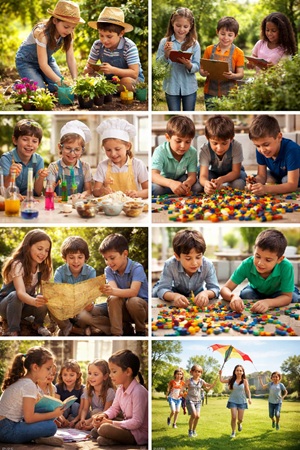

In a world filled with smartphones, tablets, and constant digital distractions, keeping children engaged without screens can feel challenging. However, some of the most powerful learning happens away from devices. For children aged 5 to 10, hands-on activities not only build knowledge but also improve creativity, focus, and social skills.
This guide on top 10 educational activities for 5–10 year olds no screens is designed to help parents and educators create meaningful learning experiences at home. These activities are simple, practical, and highly effective in developing essential life skills while keeping children happily engaged.
Why Screen-Free Learning Matters
Children in this age group are in a crucial stage of development. They learn best through exploration, interaction, and imagination. Screen-free activities encourage problem solving, communication, and physical movement.
Reducing screen time also improves attention span and emotional well being. When children engage in real world activities, they develop a deeper understanding of concepts and build stronger connections with their surroundings.
1. Storytelling and Creative Writing
Storytelling is a powerful way to develop language skills and imagination. Encourage children to create their own stories using simple prompts.
For example, ask them to imagine a day as a superhero or describe a magical place. They can write it down or narrate it aloud. This activity improves vocabulary, creativity, and confidence in expressing ideas.
2. DIY Science Experiments
Simple science experiments at home can spark curiosity and excitement. Activities like making a volcano using baking soda and vinegar or observing plant growth are both fun and educational.
Children learn basic scientific concepts while developing observation and analytical skills. It also encourages them to ask questions and explore how things work.
3. Reading Time with Discussion
Reading is one of the best habits you can build in children. Choose age appropriate books and set aside time for daily reading.
After reading, discuss the story with them. Ask questions about characters, plot, and lessons learned. This improves comprehension and critical thinking while making reading more interactive.
4. Puzzle Solving and Brain Games
Puzzles, crosswords, and logic games are excellent for cognitive development. They challenge the brain and improve problem solving skills.
Start with simple puzzles and gradually increase difficulty. This helps children develop patience, focus, and logical reasoning.
5. Arts and Crafts Projects
Creative activities like drawing, painting, and crafting allow children to express themselves freely. They also improve fine motor skills and hand eye coordination.
You can use simple materials like paper, colors, and recycled items. Encourage children to create something unique rather than copying designs. This builds confidence and originality.
6. Gardening and Nature Activities
Spending time in nature is both calming and educational. Gardening teaches children about plants, growth cycles, and responsibility.
Let them plant seeds, water plants, and observe changes over time. Nature walks can also be included to explore different plants and insects. This creates a deeper connection with the environment.
7. Math Through Everyday Activities
Math does not have to be boring. You can turn daily tasks into learning opportunities.
For example, involve children in cooking by measuring ingredients or ask them to count objects while shopping. This makes math practical and easier to understand.
8. Role Playing and Pretend Play
Role playing helps children understand real world situations and develop social skills. They can pretend to be teachers, doctors, or shopkeepers.
This activity improves communication, empathy, and creativity. It also helps children build confidence in expressing themselves.
9. Building and Construction Activities
Using building blocks, Lego, or even household items to create structures is a great way to develop spatial awareness and problem solving skills.
Children learn to plan, experiment, and adapt their designs. This type of activity encourages logical thinking and creativity at the same time.
10. Physical Activities and Games
Physical movement is essential for healthy growth. Activities like indoor games, outdoor sports, or simple exercises keep children active and energetic.
These activities improve coordination, teamwork, and discipline. They also help release energy and reduce stress.
How to Make These Activities More Effective
Consistency is key when it comes to learning. Create a daily routine that includes a mix of these activities. Keep sessions short and engaging to match the child’s attention span.
Encourage participation rather than forcing it. Let children choose activities they enjoy. This builds a positive attitude towards learning.
You can also combine activities for better results. For example, storytelling can be paired with drawing, or gardening can include a science lesson.
Conclusion
Screen-free learning is not just about limiting devices, it is about creating meaningful experiences that shape a child’s growth. These top 10 educational activities for 5–10 year olds no screens provide a perfect balance of fun and learning.
By incorporating these activities into daily life, you can help children develop essential skills while keeping them engaged and happy. The goal is not perfection but consistency and encouragement.
Start with one activity today and watch how quickly children learn, grow, and enjoy the process.