






First Year College Finance Guide: Budgeting and Saving Tips 2026
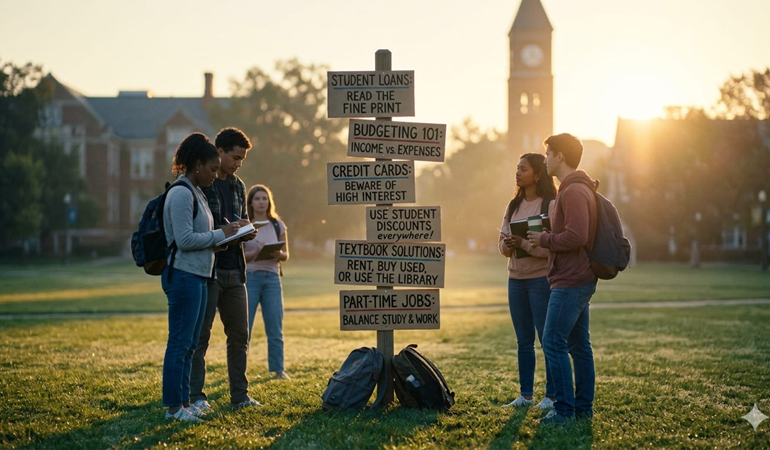

Your first year of college feels like independence finally kicking in. You decide when to eat, where to go, and how to spend. But within a few weeks, reality hits. Money disappears faster than expected, and suddenly you’re wondering how others are managing so smoothly. The truth is, most students are figuring it out as they go. The difference is that some build smart habits early. Understanding financial tips for first year college students is not about being perfect. It’s about avoiding common mistakes and learning how money actually works in real life.
Understanding Your Money Before You Spend It
Before you even think about saving or budgeting, you need clarity. How much money do you actually have each month? Whether it comes from parents, scholarships, or part-time work, knowing your total inflow changes your entire approach. In 2026, banking apps and UPI histories make it easy to track incoming money. Once you see the full picture, you stop guessing and start planning. This simple step prevents confusion and gives you control right from the beginning.
From Random Spending to Intentional Choices
School life rarely prepares you for financial decisions. In college, every day brings new spending opportunities. Food deliveries, quick hangouts, online shopping, and subscriptions all seem harmless individually. But together, they quietly drain your budget. Intentional spending changes this pattern. It doesn’t mean cutting everything. It means pausing before you spend and asking whether it truly matters. This habit doesn’t limit your lifestyle, it improves it by making your choices more meaningful.
Creating a Budget That Doesn’t Feel Like a Burden
Most students avoid budgeting because it sounds restrictive. But in reality, a simple budget gives you freedom. When you know how much you can spend, you stop worrying about running out of money. Start with basic categories like food, travel, and personal expenses. You don’t need complex systems. In 2025–2026, many students use apps that automatically track spending, making budgeting effortless. The goal is not perfection, it’s consistency. A simple plan followed daily works better than a perfect plan ignored.
Learning the Difference Between Needs and Wants
This is where real financial awareness begins. Needs are essential expenses like food, rent, and study materials. Wants are everything else that adds comfort or enjoyment. The challenge is that in college, wants often feel like needs. Social influence and lifestyle trends blur the line. Training yourself to recognize the difference gives you control. You don’t have to eliminate wants. You just need to manage them. This balance is what keeps your finances stable.
The Hidden Impact of Small Daily Expenses
It’s rarely one big purchase that causes financial stress. It’s the small, repeated expenses that go unnoticed. A quick snack, a coffee, or an extra ride instead of public transport may seem minor. But over a month, they add up significantly. In 2026, students who review their transaction history often feel surprised by how much they spend on these small habits. Awareness leads to better decisions, and better decisions lead to savings without major lifestyle changes.
Building the Habit of Saving Early
Saving money in your first year might not feel urgent. But the earlier you start, the easier it becomes. Saving is not about the amount, it’s about the habit. Even setting aside a small portion regularly builds discipline. It also creates a sense of security. Many students now use automatic transfers to move money into a separate account. This removes temptation and makes saving effortless. Over time, this habit becomes second nature.
Managing Digital Spending in a Cashless World
In today’s college life, most transactions are digital. You scan, tap, and pay without thinking twice. While this is convenient, it also makes spending less visible. When you don’t physically see money leaving your hands, it feels less real. That’s why regularly checking your transaction history is important. Keeping an eye on subscriptions and auto-payments also helps prevent unnecessary expenses. In a digital world, awareness replaces physical control.
Earning While Studying Without Losing Focus
In 2026, students are no longer waiting until graduation to start earning. Freelancing, tutoring, internships, and online work are becoming common. Even a small income can reduce financial pressure and give you more flexibility. The key is balance. Your studies should remain your priority. But using your free time wisely can help you build both income and experience. This not only improves your finances but also boosts your confidence.
Handling Social Pressure Without Overspending
College life comes with social expectations. Group outings, celebrations, and spontaneous plans are part of the experience. But trying to match everyone’s spending can quickly affect your budget. Learning to set boundaries is important. Saying no doesn’t mean missing out. It means making choices that align with your priorities. Most people respect honesty, and many are facing the same financial challenges themselves. Managing social pressure is about confidence, not sacrifice.
Learning From Mistakes Instead of Avoiding Them
No one manages money perfectly in their first year. You will overspend at times, forget to track expenses, and make impulsive decisions. That’s normal. What matters is how you respond. Each mistake teaches you something about your habits. Instead of ignoring it, take a moment to understand what went wrong. Over time, these lessons build strong financial awareness and help you improve.
Conclusion: Your First Year Builds Your Financial Future
Your first year of college is more than just a new academic journey. It is your first real experience with financial independence. The habits you build now will shape your future decisions. Managing money doesn’t require complicated strategies. It requires awareness, consistency, and a willingness to learn. When you understand your finances, spend intentionally, and save regularly, you create a strong foundation. By the time you graduate, you won’t just have a degree. You’ll have the confidence to handle money wisely in every stage of life.