





Save ₹5000 a Month as a Student? Yes! Here’s Exactly How I Did It
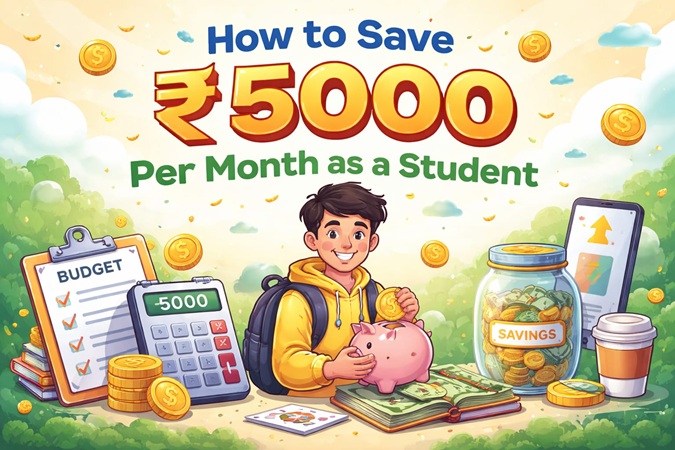

If someone tells you to save ₹5000 every month as a student, your first reaction is probably disbelief. Between college fees, daily expenses, outings, and unexpected costs, money seems to vanish before the month even ends. But here’s the reality most students overlook. Saving isn’t about having extra money, it’s about managing the money you already have.
In 2026, students across India are quietly building savings without earning huge incomes. They’re not cutting off their social life or living extremely frugal lives. Instead, they are using simple, consistent strategies that slowly but surely build up to ₹5000 every month. Once you understand how this works, it stops feeling impossible and starts feeling achievable.
Understanding Your Spending Patterns
Before saving anything, you need to know where your money is going. Most students don’t track their expenses, which is why they feel broke without understanding why. Small, daily spending habits like food orders, snacks, subscriptions, and transport quietly eat into your budget.
When you take a closer look at your monthly spending in 2025–2026, especially through UPI apps or banking dashboards, you’ll notice patterns. You might realize that you are spending ₹100–₹200 multiple times a day without thinking. These small expenses don’t feel significant in the moment, but together they easily cross ₹5000 in a month.
Once you become aware of this, saving stops being a struggle and becomes a matter of redirection.
Changing the Way You Think About Money
The biggest shift you need to make is mental. Most people spend first and try to save what’s left. The result is predictable, nothing gets saved. To save ₹5000 per month, you need to flip this habit.
The moment you receive money, set aside a fixed amount for savings. Treat it like a non-negotiable expense. This approach forces you to adjust your spending based on what remains, instead of hoping to save later.
Over time, this becomes automatic. Your lifestyle adapts to your budget, and saving becomes part of your routine instead of a burden.
Breaking the ₹5000 Goal Into Daily Actions
Saving ₹5000 at once feels overwhelming, but breaking it down changes your perspective. When you divide ₹5000 across 30 days, it comes down to roughly ₹165 per day.
Now it feels manageable. Saving ₹165 daily can come from simple decisions like skipping one unnecessary order, choosing a cheaper alternative, or avoiding impulse buys.
This approach works because it focuses on consistency. You’re not trying to make one big change. You’re making small, better decisions every day that add up over time.
Managing Food Expenses Without Feeling Restricted
Food is one of the biggest areas where students overspend. Frequent ordering, café visits, and snacks between classes can quickly drain your budget.
Saving here doesn’t mean cutting everything. It means being intentional. Many students in 2026 are balancing their spending by cooking simple meals, sharing groceries with friends, and limiting food delivery to certain days.
When you reduce unnecessary food expenses without compromising your routine, you create space for savings without feeling deprived.
Reducing Digital and Subscription Costs
Modern student life comes with multiple subscriptions. Streaming platforms, music apps, study tools, and gaming services often go unnoticed in your budget.
Individually, they seem affordable. But combined, they can cost a significant amount monthly. Reviewing and cutting down unnecessary subscriptions can instantly free up money.
Many students are now sharing subscriptions or keeping only the ones they actively use. This simple change can contribute directly toward your ₹5000 goal.
Smarter Transportation Choices
Transportation is another area where small changes make a big difference. Choosing public transport, walking short distances, or using shared rides instead of cabs can significantly reduce expenses.
In cities like Lucknow, affordable public transport options make it easier to save without sacrificing convenience. Over time, these small adjustments can add up to a meaningful amount.
Adding a Small Side Income
Saving becomes easier when you increase your income, even slightly. In 2026, students have access to multiple ways to earn without affecting their studies.
Freelancing, tutoring, internships, and online gigs are helping students create small but consistent income streams. Even earning ₹2000–₹3000 per month can reduce the pressure of saving entirely from your existing budget.
When combined with controlled spending, this makes reaching ₹5000 much more realistic.
Controlling Impulse Spending
Impulse spending is one of the biggest reasons students fail to save. Online sales, discounts, and instant purchase options make it easy to spend without thinking.
A simple habit can fix this. Whenever you feel like buying something non-essential, wait for 24 hours. This pause helps you decide whether you actually need it or not.
Most unnecessary purchases lose their appeal after some time. This habit alone can save a surprising amount every month.
Automating Your Savings
Saving becomes easier when it doesn’t rely on willpower. Automation helps remove the effort from the process.
Setting up an automatic transfer to a separate savings account ensures that a fixed amount is saved regularly. Once the money is moved, you’re less likely to spend it.
In 2026, banking apps make this process simple with goal-based saving features. This allows you to stay consistent without constant effort.
Staying Consistent Through Ups and Downs
There will be months when saving feels difficult. Unexpected expenses or lower income can disrupt your plan. The key is not to stop completely.
Even if you save a smaller amount, continue the habit. Consistency matters more than perfection. Over time, your ability to manage money improves, and saving becomes easier.
Students who succeed are not the ones who never struggle, but the ones who keep going despite challenges.
Conclusion: Small Habits That Build Big Financial Freedom
Saving ₹5000 per month as a student is not about extreme discipline or giving up everything you enjoy. It is about understanding your spending, making smarter choices, and building consistent habits.
Once you start saving regularly, your relationship with money changes. You feel more in control, more confident, and more prepared for the future.
By the time you graduate, these habits will set you apart. Not because you had more money, but because you used your money better. And that difference stays with you for life.