





Top 10 High Protein Vegetarian Foods, India Friendly

Protein is one of the most important nutrients in any diet, yet many vegetarians in India still worry about whether they are getting enough of it. The good news is that a well planned Indian vegetarian diet can provide plenty of protein without depending on expensive imported foods or complicated meal plans. In fact, many everyday ingredients already used in Indian kitchens are naturally rich in protein and can easily be included in breakfast, lunch, dinner, and snacks.
What makes this topic especially important is that protein is not only for bodybuilders or gym goers. It matters for everyone. Protein helps build and repair muscles, supports immunity, keeps you full for longer, and plays a key role in strength, recovery, and overall health. If your meals are mostly based on refined carbs and low protein sides, you may feel hungry sooner and may miss out on the benefits of a more balanced diet. The best part is that India friendly high protein foods are widely available, affordable, and easy to cook in familiar ways.
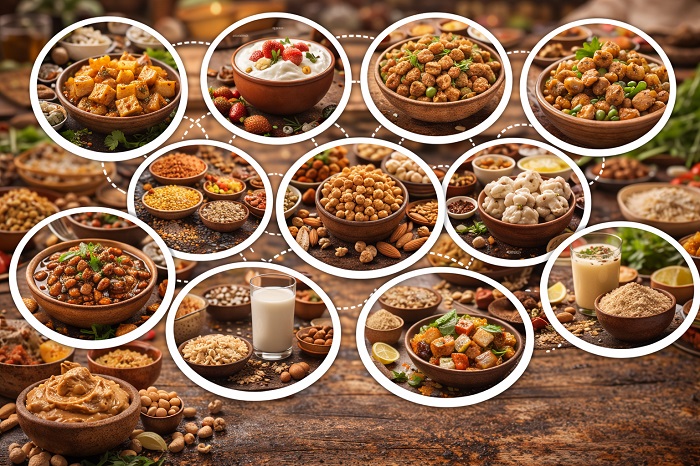
Here are the top 10 high protein vegetarian foods that work especially well in an Indian diet.
1. Paneer
Paneer is one of the most popular high protein vegetarian foods in India, and for good reason. It is versatile, satisfying, and easy to add to meals. Made from milk, paneer offers a strong amount of protein along with calcium and healthy fats. It fits naturally into Indian cooking, whether you are making bhurji, tikka, curry, salad bowls, or stuffing it into wraps and sandwiches.
What makes paneer especially useful is that it can turn an otherwise low protein meal into a more balanced one. A simple roti sabzi meal can become much more filling when paneer is added. It is also a great choice for vegetarians who want a protein source that feels substantial and easy to digest in regular home style dishes. When cooked without too much cream or butter, paneer can be one of the most practical protein foods for Indian households.
2. Greek Yogurt or Hung Curd
Curd is already a staple in many Indian homes, but hung curd or Greek yogurt offers a more concentrated protein option. Since extra water is removed, the protein becomes denser compared to regular curd. This makes it a smart option for people who want a high protein food that is also cooling, refreshing, and easy to use in different meals.
It can be eaten as a snack, blended into smoothies, used in dips, spread into sandwiches, or served with fruit and seeds. It also works well in marinades and healthier versions of raita. For people who do not want to cook every time they need protein, hung curd is one of the easiest options to keep in the fridge.
3. Soy Chunks
Soy chunks are among the highest protein vegetarian foods easily available in India. They are affordable, shelf stable, and very effective for increasing protein intake without spending too much. Once soaked and cooked properly, they absorb flavor well and can be used in curries, pulao, stir fry dishes, wraps, and even cutlet mixtures.
Many people avoid soy chunks because they assume the taste will be plain or rubbery, but that usually happens when they are not prepared properly. If they are soaked, squeezed, and cooked with good spices and onions, they can become a powerful addition to Indian meals. For students, working professionals, and budget conscious families, soy chunks are one of the most practical high protein foods in the country.
4. Lentils, Dal
Dal is at the heart of Indian vegetarian eating, and it is also one of the most important protein sources in the diet. Moong dal, masoor dal, toor dal, urad dal, and mixed lentils all contribute meaningful protein while also providing fiber and important minerals. Though a bowl of dal alone may not seem dramatic, regular use across meals adds up significantly over time.
The strength of dal lies in consistency. It is not a trendy superfood, but it is one of the most sustainable ways to eat protein every day. Dal can be served with rice, roti, vegetables, soups, khichdi, or cheela batter. When paired with grains, it also helps improve the overall protein quality of the meal, making it even more useful in vegetarian diets.
5. Chickpeas, Chana
Chickpeas are another excellent India friendly protein source. Whether you use white chana, black chana, or roasted chana, this family of foods is highly valuable for vegetarians. Chickpeas are filling, rich in protein and fiber, and easy to include in both meals and snacks.
Chana can be eaten in many forms, such as chole, chana salad, dry black chana sabzi, chaat, or roasted snacks. Roasted chana in particular is one of the simplest high protein snack options in India because it is cheap, portable, and requires no cooking. For people trying to reduce junk snacking and eat more protein, chana is one of the smartest pantry staples to keep around.
6. Rajma and Other Beans
Rajma is already loved in Indian homes for comfort meals, but it also deserves recognition as a strong vegetarian protein source. Along with rajma, foods like lobia and other beans can contribute significantly to daily protein intake. These foods are also rich in fiber, which helps improve fullness and supports better digestion.
Beans work best when they are part of regular meal planning rather than occasional heavy dishes. Rajma with rice is a classic, but beans can also be added to salads, wraps, cutlets, and mixed bowls. Their biggest advantage is that they feel like real food rather than a diet item. They are hearty, familiar, and satisfying, which makes them easier to include consistently.
7. Tofu
Tofu is becoming increasingly common in Indian cities and is an excellent option for vegetarians who want a lean, high protein food. It is especially useful for those who either do not prefer paneer or want a lower fat alternative. Tofu has a mild taste, which means it takes on spices and sauces well when cooked properly.
In Indian kitchens, tofu can be used in bhurji, stir fry dishes, curries, salads, and grilled snacks. It also works well in Indo Chinese style dishes, which makes it easier for younger eaters to enjoy. While it may not yet be as universal as paneer, tofu is one of the best high protein vegetarian foods for people looking to add variety to their meals.
8. Peanuts and Peanut Butter
Peanuts are often underestimated because they are seen as a casual snack, but they actually provide a useful amount of protein along with healthy fats. In India, peanuts are affordable and widely available, making them a practical protein booster for everyday eating. Peanut butter, when chosen carefully without too much added sugar, can also be a helpful option.
Peanuts can be added to poha, salads, chutneys, snacks, and ladoos, while peanut butter can be used on toast, in smoothies, or with fruit. They are not usually the main protein source of a meal, but they are extremely helpful in increasing the overall protein value of the diet. Their convenience makes them especially useful for busy people.
9. Milk
Milk remains one of the simplest vegetarian protein foods in Indian diets. It is familiar, accessible, and easy to include without changing your routine too much. A glass of milk on its own may not provide a huge protein amount compared to some other foods on this list, but it still contributes meaningfully across the day.
Milk can be used in shakes, oats, smoothies, tea time snacks, porridge, or consumed directly. It is especially helpful for children, older adults, and people who want a quick add on to meals. When paired with other protein foods like oats, nuts, or seeds, milk becomes an even more useful part of a high protein vegetarian plan.
10. Sattu
Sattu is one of the most underrated high protein foods in India. Made commonly from roasted chana, it is traditional, affordable, and deeply practical, especially in North and East India. It can be mixed into drinks, dough, parathas, porridges, or savory preparations.
What makes sattu unique is that it fits well into Indian weather and eating habits. It can be turned into a cooling summer drink, a filling breakfast, or a travel friendly food. Because it is rooted in Indian food culture rather than modern health marketing, many people forget how nutritionally useful it is. But for protein, satiety, and affordability, sattu is one of the smartest choices around.
Conclusion
A high protein vegetarian diet in India does not need to be expensive or difficult. In fact, some of the best protein sources are already part of everyday Indian life, from paneer and dal to chana, curd, soy chunks, and sattu. The key is not depending on just one food, but building meals that include a mix of protein sources across the day.
When you combine familiar Indian ingredients in a smarter way, getting enough protein becomes much easier. Whether your goal is better fitness, improved energy, muscle support, or simply more balanced eating, these ten foods can help you build a stronger vegetarian diet without giving up the foods you already enjoy.