




How to Maintain Your Yoga Training Routine During Festival Season

New Delhi [India], February 19: Festival season brings with it a vibrant shift in energy. Calendars fill quickly with family gatherings, cultural celebrations, travel plans, social dinners, and community events. It is a time marked by joy, indulgence, connection, and tradition. Yet amid the excitement, personal wellness routines are often the first to be disrupted. For many individuals committed to yoga training, maintaining consistency during festival season can feel particularly challenging.
However, rather than viewing this period as an obstacle, it can be reframed as an opportunity. Festival season does not have to mean abandoning structure or sacrificing personal discipline. In fact, maintaining your yoga training during these busy weeks can enhance your experience of celebration by supporting physical vitality, emotional balance, and mental clarity.
Embracing Flexibility Without Losing Discipline
The key to sustaining yoga training during festival season lies not in rigid discipline, but in intentional flexibility. Festivals naturally alter daily schedules. Late evenings, heavier meals, increased travel, and spontaneous social commitments can shift sleep patterns and reduce available practice time. Instead of resisting these changes, it is more effective to adapt your yoga training routine in a way that complements your seasonal lifestyle.
One of the most practical adjustments is redefining what consistency looks like. During regular months, a full-length yoga training session may last sixty to ninety minutes. During festival season, that expectation may not be realistic. Shorter, focused sessions can be equally beneficial when practiced with intention. A well-structured twenty-minute flow that includes mobility work, breath awareness, and mindful stretching can maintain strength and flexibility while keeping your body energized. By adjusting duration rather than eliminating practice altogether, you preserve momentum and prevent the “all or nothing” mindset that often leads to extended breaks.
The Power of Morning Practice
Morning practice becomes particularly valuable during this time. Festival schedules are often unpredictable as the day unfolds, but early mornings tend to offer greater control. Beginning the day with yoga training creates a foundation of calm and discipline before distractions arise. Even a gentle sequence followed by breathwork can regulate the nervous system and improve resilience throughout a day filled with activity. Establishing a brief morning ritual also reinforces identity and commitment, reminding you that self-care remains a priority regardless of seasonal demands.
By protecting your morning yoga training window, you ensure that your practice happens before social obligations begin. This proactive approach reduces the likelihood of skipped sessions and supports mental clarity throughout the day.
Staying Consistent While Traveling
Travel is another common aspect of festival season that can interrupt yoga training routines. Whether visiting family or attending cultural events in different cities, being away from a familiar practice environment may reduce motivation. The solution lies in simplifying your expectations. Yoga training does not require elaborate studio settings or specialized equipment. A quiet corner, a travel mat, or even a towel in a hotel room can serve as an adequate space for practice.
Bodyweight sequences, standing flows, and pranayama exercises can be performed almost anywhere. Maintaining continuity, even in modified form, strengthens discipline and prevents regression. When yoga training becomes adaptable rather than location-dependent, it naturally integrates into your lifestyle.
Balancing Celebration and Physical Well-Being
Nutrition plays a significant role during festivals. Celebratory meals are often richer and more indulgent than everyday food choices. Rather than approaching this with restriction or guilt, yoga training can be positioned as a supportive tool. Twists, gentle forward folds, and breath-centered movements aid digestion and reduce discomfort. Consistent movement improves circulation and helps balance the effects of heavier meals.
By viewing yoga training as a complement to celebration rather than a counterbalance to indulgence, practitioners cultivate a healthier and more sustainable mindset. The goal is not to offset enjoyment but to maintain equilibrium.
Supporting Emotional Resilience
While celebrations are joyful, they can also bring stress, social pressure, or emotional fatigue. Crowded environments, extended family dynamics, and packed schedules may create tension. Regular yoga training supports emotional regulation through mindful breathing and body awareness. The meditative aspects of practice cultivate patience, grounding, and clarity.
Maintaining even a brief daily connection to breath and movement can significantly reduce stress levels and improve overall well-being during busy periods. In this way, yoga training becomes not only physical exercise but a stabilizing force that supports emotional balance.
Setting Realistic Seasonal Goals
Festival season is not typically the ideal time to pursue aggressive physical progressions or intensive skill development. Instead, it can be approached as a maintenance phase within a broader wellness journey. By shifting focus from advancement to preservation, practitioners protect their long-term growth. This strategic pause allows the body to integrate previous training gains while preventing burnout.
As regular schedules resume, returning to full-length yoga training sessions becomes smoother and more effective. Rather than feeling as though you are starting from the beginning, you continue from a place of stability and continuity.
Integrating the Spirit of the Season
It is also helpful to embrace the spirit of the season within your yoga training itself. Festival themes often revolve around gratitude, renewal, reflection, or community. Integrating these intentions into your practice can create alignment between celebration and self-care. Beginning each session with a moment of gratitude or dedicating your practice to loved ones can transform yoga training into an extension of the festive spirit rather than a separate obligation.
Rest should not be overlooked. Maintaining yoga training does not mean ignoring the body’s need for recovery. If late nights and travel lead to fatigue, prioritizing restorative yoga or gentle stretching may be more beneficial than high-intensity flows. Listening to the body is a foundational principle of yoga training, and festival season offers an opportunity to practice that awareness.
A Balanced Approach for Long-Term Success
Ultimately, maintaining yoga training during festival season is about balance rather than perfection. Celebrations are temporary, but wellness is ongoing. When approached with adaptability and mindfulness, festival season can strengthen rather than weaken commitment. Each time you return to your mat despite a busy schedule, you reinforce discipline and resilience.
As the festive period concludes and routines normalize, those who sustained even modified yoga training will notice the difference. Physical stiffness will be minimal, breath capacity preserved, and mental focus intact. Instead of feeling the need to “start over,” you continue forward with confidence.
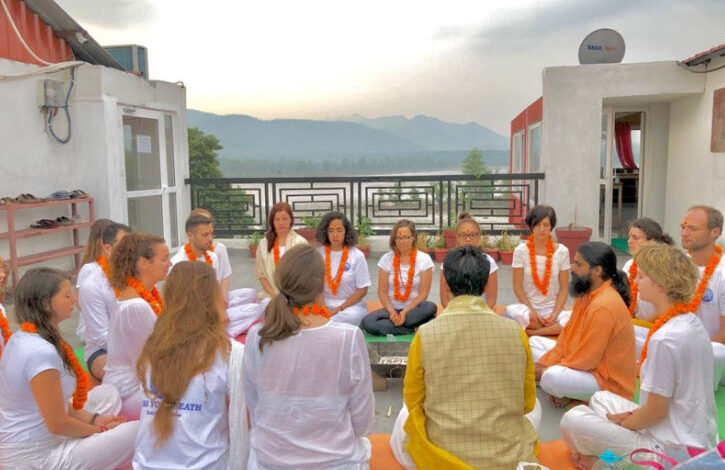
Festival season invites joy, connection, and shared experiences. By consciously maintaining your yoga training routine–especially while pursuing Yoga Teacher Training in India –you ensure that your physical and emotional well-being remain part of the celebration. With small adjustments, realistic expectations, and steady intention, you can honor both tradition and personal health. Your practice becomes a grounding force that supports you through every season of life.
If you wish to deepen your understanding, consider joining a 200 hour yoga teacher training in India . This foundational program helps you build strong knowledge of asana, pranayama, meditation, philosophy, and teaching skills while experiencing authentic yogic learning at its source.