




Turn Small Money Into Big Growth: Investing Tips for Students


There comes a point when you look at your savings and feel a little stuck. You’ve been careful, you’ve avoided unnecessary spending, and you’ve managed to save some money. But nothing seems to change. The amount just sits there. It doesn’t grow, it doesn’t multiply, it just stays the same. That’s when the thought quietly enters your mind—maybe saving alone isn’t enough. Maybe it’s time to start investing. In 2026, this realization is happening earlier for students because access to financial tools and information is easier than ever.
Why Starting Early Gives You a Massive Advantage
When you start investing as a student, you’re not trying to become rich overnight. You’re giving your money something powerful—time. Time is what makes investing work. Even small amounts can grow significantly if they are invested consistently over the years. This happens because of compounding, where your returns begin to generate their own returns. Students who start early don’t necessarily invest more money, but they allow their money to grow for longer. That alone can create a huge difference in the future.
Understanding the Fear Around Investing
Why Most Students Feel Confused
Investing often feels complicated at first. You hear about stocks, markets, risks, and returns, and it can feel overwhelming. Many students think they need expert knowledge or a large amount of money to begin. Others worry about losing what little they have. This fear is completely normal, especially when you’re starting from zero.
What You Actually Need to Know
The truth is, you don’t need to know everything to start investing. You just need a basic understanding and the willingness to learn. Investing is not about being perfect from day one. It’s about starting small, staying consistent, and improving over time. Mistakes might happen, but they teach you more than avoiding investing altogether.
Building a Strong Financial Base First
Why Savings Still Matter
Before you begin investing, it’s important to have a small safety net. This could be a basic emergency fund that helps you handle unexpected expenses. Without this, you might be forced to withdraw your investments at the wrong time, which can lead to losses.
Knowing How Much You Can Invest
As a student, your income might not be fixed. It could come from pocket money, freelancing, or part-time work. That’s why it’s important to decide a realistic amount you can invest regularly. Even a small amount like ₹500 or ₹1000 per month is enough to start. The goal is not the amount, but the habit.
Where Students Can Start Investing in 2026
Mutual Funds as a Beginner-Friendly Option
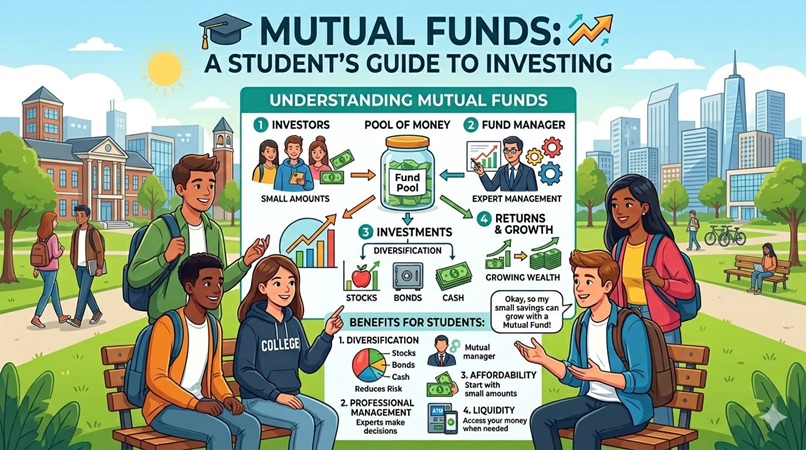
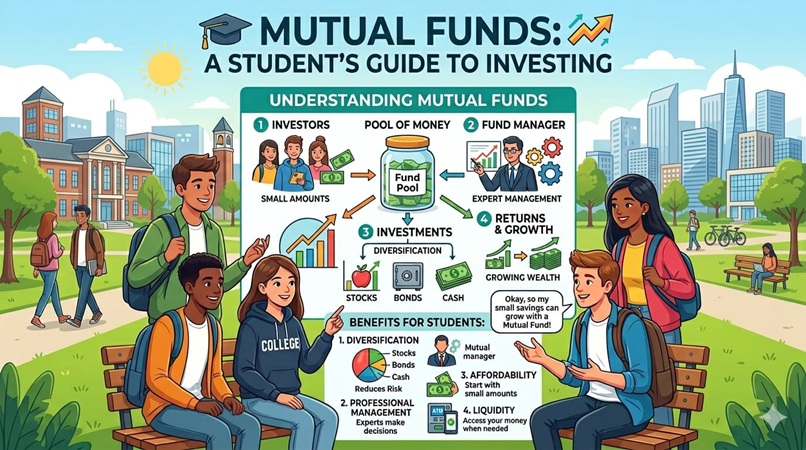
Mutual funds are one of the easiest ways to begin. They allow you to invest small amounts while professionals manage your money. Through SIPs, you can invest regularly without needing to time the market. For beginners, this removes a lot of pressure and confusion.
Exploring Stocks With a Learning Mindset
Stocks can be exciting, but they require patience and understanding. Instead of jumping in with large amounts, students can start by observing companies and investing small sums. This helps you learn how the market works without taking unnecessary risks.
The Role of Digital Investment Platforms
In 2026, investing has become more accessible than ever. Mobile apps and online platforms allow you to start investing within minutes. These platforms also provide insights and tracking tools, making it easier for students to stay informed.
Why Consistency Matters More Than Amount
Small Investments Can Grow Big
One of the biggest misconceptions is that you need a lot of money to start investing. In reality, consistency matters more than the amount. Investing ₹500 every month for years can create significant growth over time.
Building Discipline Through Regular Investing
When you invest regularly, you build discipline. It becomes a habit rather than a decision you have to make each time. This habit is what separates successful investors from those who keep delaying.
The Emotional Side of Investing
Dealing With Market Ups and Downs
Investing is not always smooth. Markets go up and down, and this can create emotional reactions. As a student, it’s important to understand that short-term changes are normal. What matters is your long-term approach.
Avoiding Impulsive Decisions
Many beginners make the mistake of reacting quickly to market changes. They panic when prices fall and get overly excited when prices rise. Learning to stay calm and stick to your plan is one of the most valuable skills in investing.
Learning While You Invest
Growing Your Knowledge Over Time
Investing is not just about money. It’s also about learning. As you continue, you begin to understand how different investments work, how markets behave, and how to make better decisions.
Using Real Experience as a Teacher
The best way to learn investing is by doing it. Even small investments give you real experience. Over time, this experience becomes your biggest strength.
Common Mistakes Students Should Avoid
Waiting for the Perfect Time
Many students delay investing because they think they will start when they have more money or more knowledge. But the perfect time rarely comes. Starting early, even with small amounts, is always better.
Following Trends Without Understanding
Another common mistake is investing based on trends or what others are doing. This can lead to poor decisions. It’s important to understand where your money is going instead of blindly following advice.
Why 2026 Is the Best Time to Start
Easy Access to Tools and Information
Today’s students have access to resources that were not available earlier. Investment apps, online learning platforms, and financial content make it easier to start and grow.
A Head Start for Your Future
Starting now gives you an advantage that compounds over time. By the time you graduate, you won’t just have savings—you’ll have investments that are already growing.
Conclusion: Start Small, Stay Consistent
Investing as a student is not about taking big risks or making quick money. It’s about building a habit that grows with you. You don’t need a large amount to begin. You just need the willingness to start. The earlier you begin, the more time your money gets to grow. So take that first step, invest a small amount, and stay consistent. Over time, this simple decision can completely change your financial future.